The Quiet Details Only Interior Designers Notice
January 21, 2026Think a room is finished when the furniture arrives? Look again. There’s a hidden layer of decision making that shapes how a space truly feels. These are the subtle, often overlooked choices that professional designers make.
Here’s what they see that most people miss.
The dance of proportions:
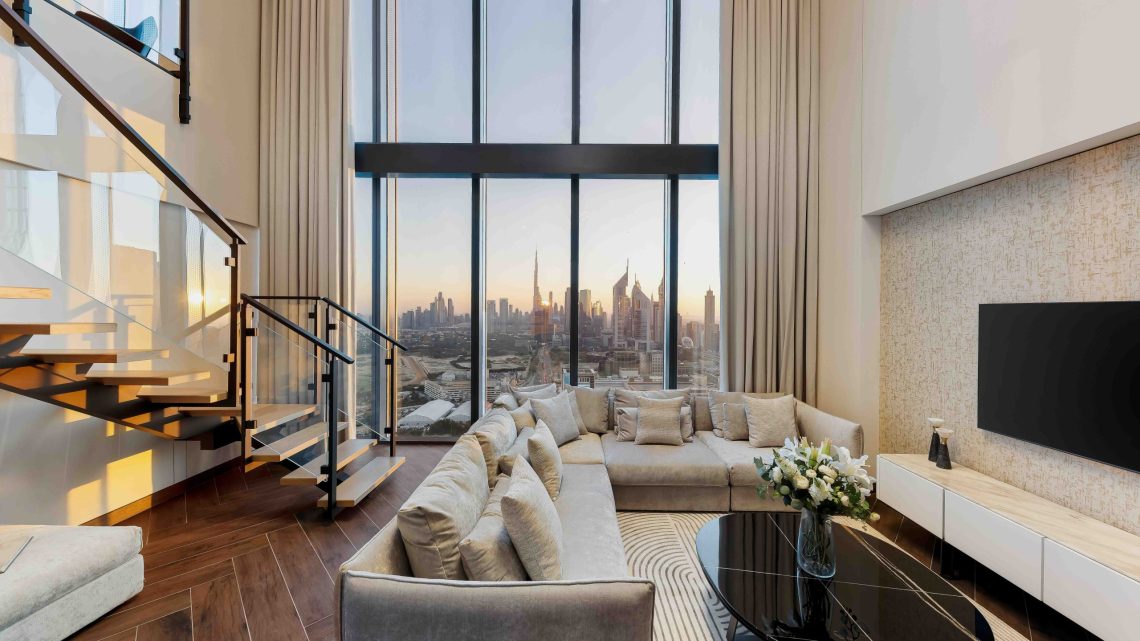
It starts with scale. An interior designer Dubai knows a huge sofa in a small room feels suffocating, while a tiny rug under a big bed seems lost. They see the relationship between objects and the room itself. That side table isn’t too tall; it’s out of proportion with the armchair beside it. The art above the sofa isn’t too small; it wants a companion piece or a larger frame to hold the wall properly. It’s a visual balance act.
The story of trim and touchpoints:
Most people see a white wall. A designer sees the trim. The width of the baseboard, the profile of the crown molding, the finish on the door hinges these are the touchpoints. Matte black switch plates, a slim and modern window casing, or the deliberate absence of trim for a flush look. These details are the punctuation in a room’s sentence.
The unsung hero of hardware:
Cabinet pulls and door knobs are the jewelry of a room. Designers pick them last, but think about them first. The weight of a pull in your hand, the finish that echoes a faucet across the room, the length that fits the cabinetry perfectly. A sleek, tubular bar pull says something different than a ceramic knob. This small swap can shift a kitchen’s entire personality.
The fourth wall:
Everyone decorates four walls. Designers decorate five. The ceiling is a giant opportunity. A soft color wash can make it feel higher. A simple wallpaper can add surprise. Even the choice of a flat white versus a glossy white paint changes how light bounces. A designer might add a subtle cove light or paint the ceiling the same color as the walls for a cozy, enveloping effect.
The logic of light layers:
A single overhead light is the enemy of atmosphere. Designers build light in layers. The first is ambient: gentle, general illumination. The second is task: light for reading or cooking. The third is accent: light to graze a painting or highlight a texture. They notice where shadows fall and where glare hits. They choose bulbs for their warmth and color, never just their brightness.